



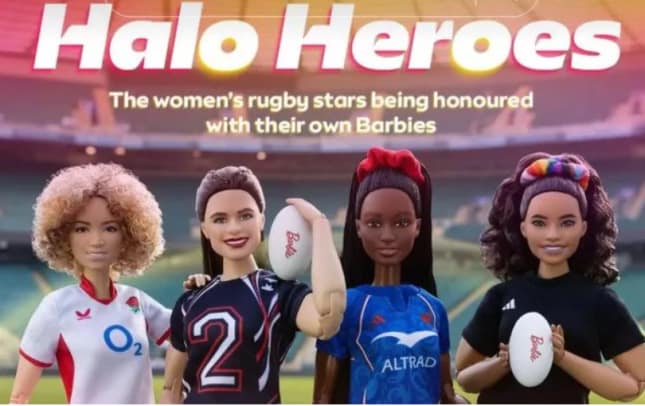
Last week, Sky Sports launched “Halo,” a pastel-washed TikTok channel described as “the lil sis of Sky Sports” – a space supposedly built for women who love sport. Within 72 hours, it was gone. Deleted. Disowned. But not forgotten.
The promise was a youth-led, female-focused sports feed. The reality? A chaotic blend of pink lettering, heart filters, matcha references, and – bafflingly – content about male athletes. Fans labelled it patronising, tone-deaf and embarrassingly out of touch. And in record time, Sky agreed.
Women’s Sport Deserves Better
Women’s sport may still be scaling, but women who follow sport are not an emerging trend. They’re an established market. They’re sophisticated, informed, and vocal about what they expect from coverage.
We’re in an era where WSL attendance is climbing, women’s cricket is claiming primetime slots, and mixed-gender audiences follow women’s sport because the competition is elite and the storytelling is rich. So when a major broadcaster launches a channel meant to “serve” this audience with sparkly text and “hot girl walk” memes, it hits a very old, very tired nerve.
For decades, women have fought to have their sport framed as sport – not lifestyle garnish. Halo felt like a step backwards into “pink it and shrink it” territory: the outdated belief that women want sport softened, sweetened or simplified.

Built for Women… But Who, Exactly?
Halo wasn’t doomed because it targeted a niche. It was doomed because it was built on the wrong assumptions.
First, the positioning.
Calling it the “lil sister” instantly framed it as secondary. That phrase alone implied Halo wasn’t part of the main conversation – it was an add-on. A side dish for those who supposedly needed sport “the girl way.”
Second, the tone.
Instead of athlete-led insight, competitions, behind-the-scenes footage or tactical storytelling – the things female sports fans consistently say they want – Halo leaned into a lifestyle aesthetic that had little to do with sport. Fans asked, “Who exactly is this for?” And the silence spoke volumes.
Third, the content gap.
Launching a “women’s sport” channel with men’s content front-loaded is not a minor oversight; it’s a strategic misread. It signalled a team who didn’t fully understand the audience, the culture, or the landscape they were stepping into.
Finally, the collapse.
Shutting the channel after three days didn’t read as accountability. It looked like there was no plan beyond vibes. A brand confident in its purpose would have pivoted, clarified the strategy, or owned the mistake. Halo simply disappeared, and the absence of real explanation made the whole thing feel even more dismissive.
Online Reaction
“We’re about ALL sports and championing female athletes,” Halo declared on launch day, right before posting videos about male footballers.
“Dumbing down sports content ‘for females’ with matcha memes is the most patronising thing you could do,” one fan wrote.
And a widely shared critique distilled the mood: “Women don’t need a little sister channel. They need broadcasters to treat them as the serious, knowledgeable fans they already are.”
Misreading the Modern Sports Fan
Was Halo actually that bad? The execution? Absolutely. The intent? Not necessarily.
The impulse to create content for female fans isn’t the issue. Treating “female fans” as a single stereotype defined by aesthetics rather than insight is.
Women’s sport doesn’t need softening. It needs elevation, investment, and integration into the main sports conversation.
Halo failed because it treated women as a demographic to target, not an audience already in the room. In 2025, that misread feels almost wild. Women’s sport isn’t asking for a separate room, it’s asking for the same room, the same spotlight, and the same respect.
So, What’s next for Sky?
Sky have done a huge amount for the women’s game – increasing coverage, televising 118 WSL games this season, and building a strong Sky Sports WSL YouTube channel packed with genuinely good football content. Which is why it’s a shame to see them miss the mark so badly.
Halo is gone, but the message is loud: women’s sport doesn’t need girlified branding. It needs coverage that recognises women as fully formed sports fans – analytical, passionate, informed, and diverse.
The brands that win in this space are the ones who stop designing for women and start building with them. And given Sky’s financial muscle and the public backlash, they’ll respond, hopefully bigger, smarter and far better than they did this time.