



FIFA has made plenty of promises about growing participation in the women’s game. This time, they’ve enforced one.
In a landmark decision, world football’s governing body has approved new regulations that will force every team in FIFA women’s competitions to include women in key coaching and medical roles, a move that should fundamentally change the game and expand the pathway for women at the highest level.
And unlike most “initiatives”, this one comes with no wiggle room.
The rule that changes everything
From now on, every team competing in FIFA women’s football tournaments must:
- Appoint at least one female head coach or assistant coach
- Have a minimum of two female staff members on the bench
- Include at least one female medical staff member
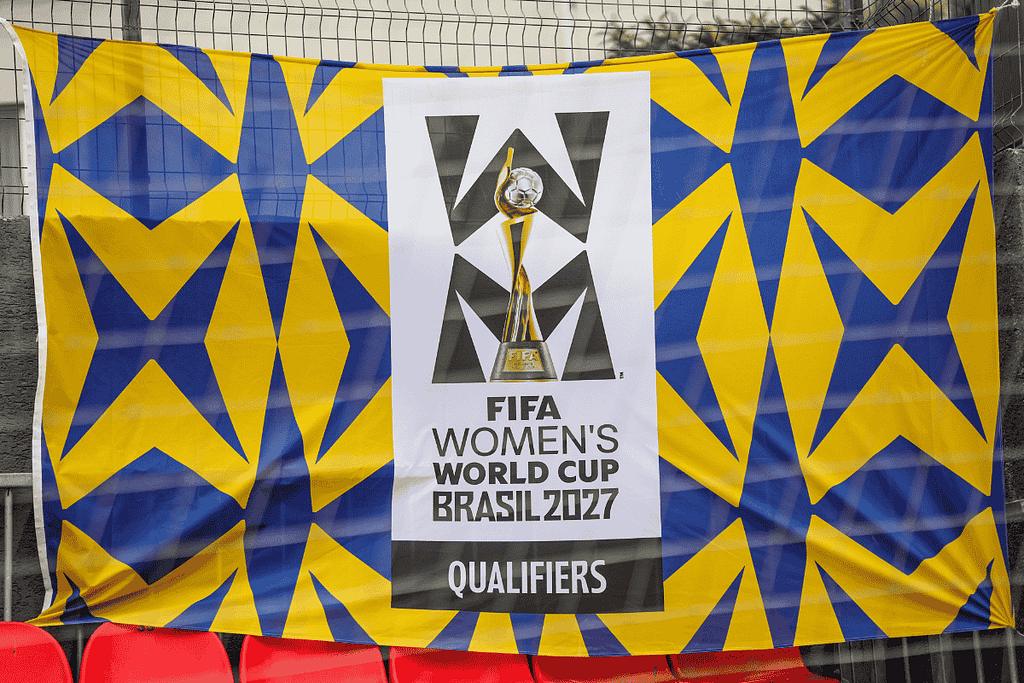
The rule kicks in immediately across youth competitions and will apply to senior tournaments, including the Women’s World Cup in Brazil in 2027.
The requirement is mandatory for entry into FIFA women’s competitions.
Why FIFA stepped in
Because the numbers don’t add up.
At the 2023 Women’s World Cup, just 12 of 32 teams were led by female head coaches, and only one made it beyond the round of 16.
Zoom out further, and it gets worse. Globally, women make up:
- Around 22% of head coaches in top women’s leagues
- Just 5% of coaches overall across the game
For a sport built on female athletes, leadership has remained overwhelmingly male.
FIFA’s response? Stop waiting for change and mandate it.
This is bigger than representation
There’s an obvious headline here: more women involved in women’s football.
But the real play is deeper. FIFA is trying to fix the pipeline.
The organisation has already backed coaching development programmes and scholarships, with FIFA stating its coach scholarship programme has supported 795 female coaches across 73 member associations.
This rule accelerates everything.
It forces federations to invest, identify, and promote female talent now, not in five years, not when it’s convenient. And it opens the door to more opportunities for women and girls across the game.
Immediate impact? Chaos for some
Not every federation is ready.
Some national teams still operate with entirely male coaching setups. Others have limited pathways feeding into elite roles.
That means short-term disruption is inevitable:
- Coaching teams will need restructuring
- Hiring processes will be fast-tracked
- Some nations will scramble to meet the criteria
But that’s the point. This isn’t about gradual change, it’s about forcing the issue.
VERTA’s take
This is a strong first step, and one that should unlock further investment in development pathways for women and girls across football.
More women in positions of power will inspire more to follow. And crucially, it broadens the perception of what a career in football looks like. You don’t have to be an elite player to belong in the game.
For too long, women’s football has followed a structure shaped by the men’s game. But beyond the pitch, it’s a totally different landscape and initiatives like this begin to reflect that reality.
A shift in policy combined with a shift in power will no doubt help with a positive shift in the future of the game.
To read more opinions and in-depth insights shaping the women’s game, head to our hub here